Blog · Program Updates
The Three Cups Program 2026
Sarnath International Nyingma Institute | January 5–9, 2026
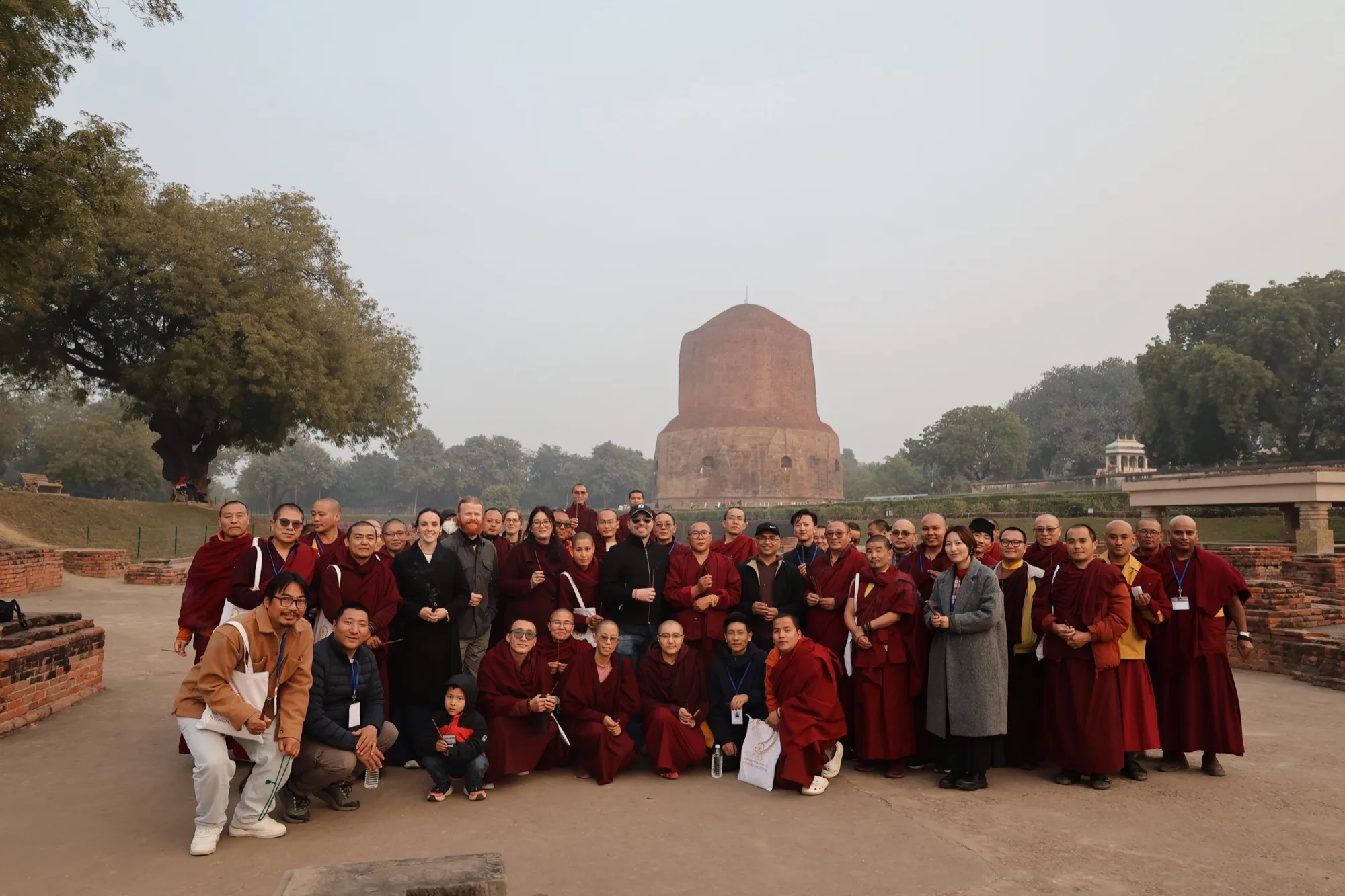
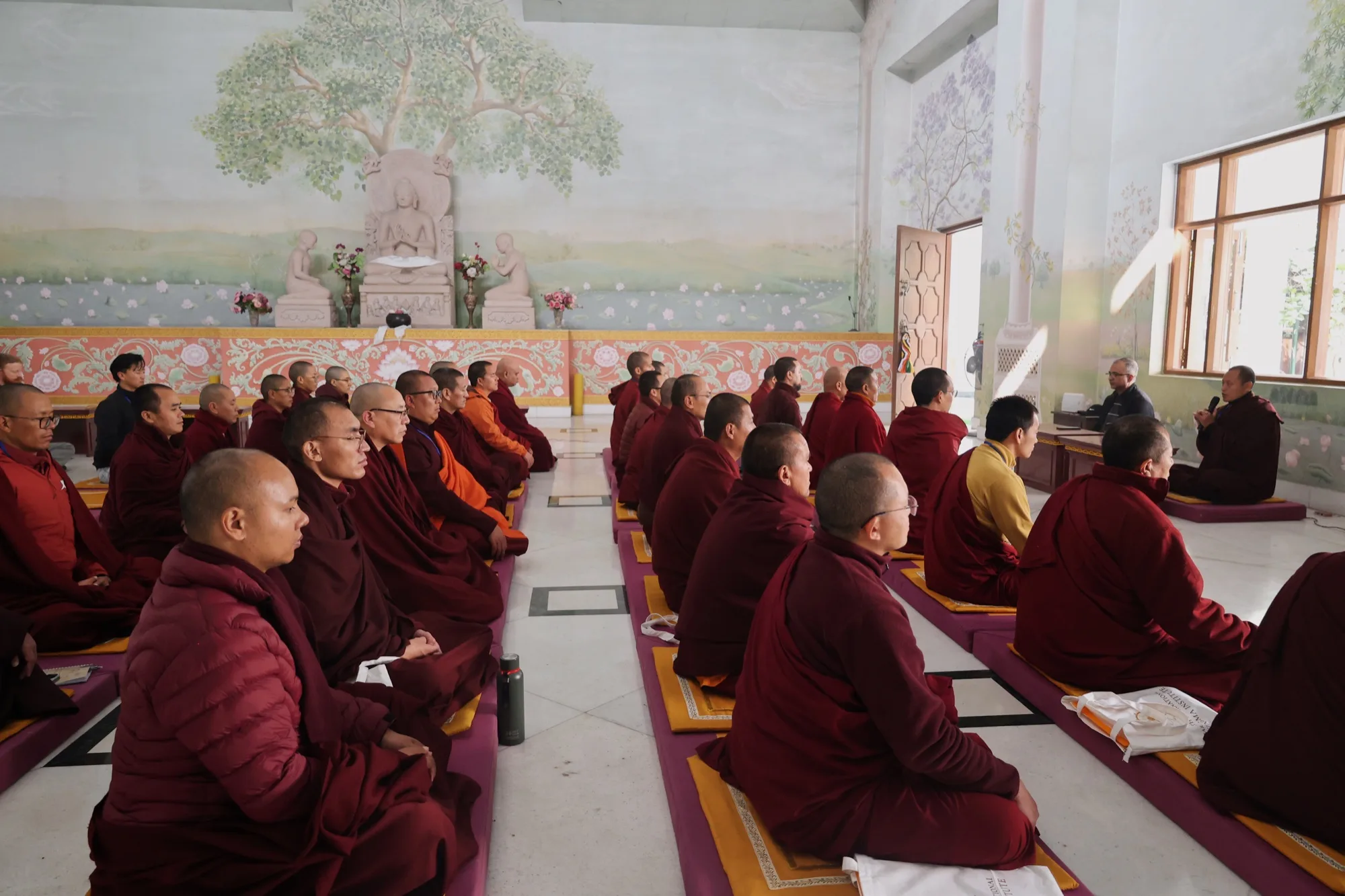
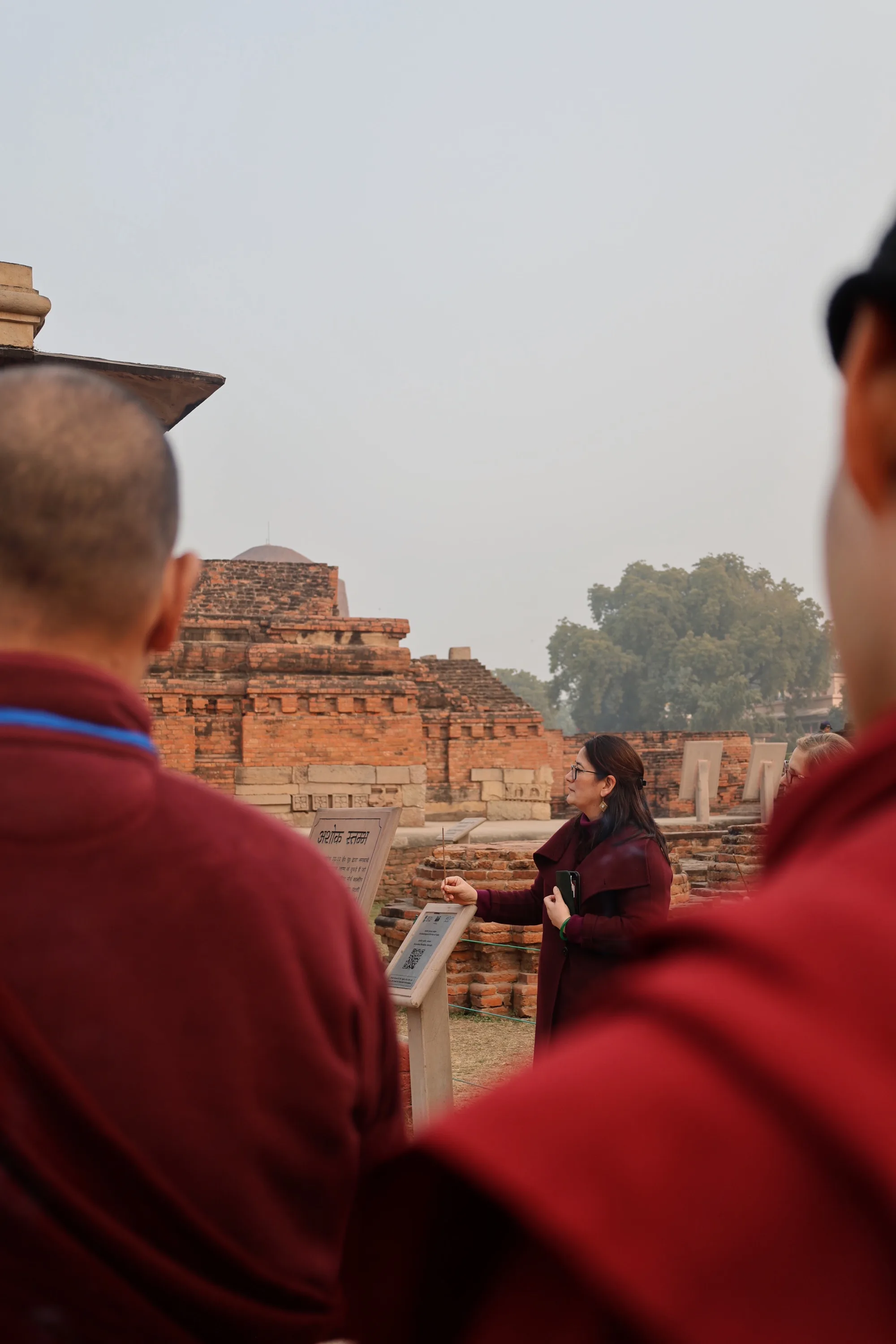
From January 5th to 9th, 2026, the Sarnath International Nyingma Institute became a vibrant gathering place for monastic educators during the Three Cups Monastic Teacher Training Program.
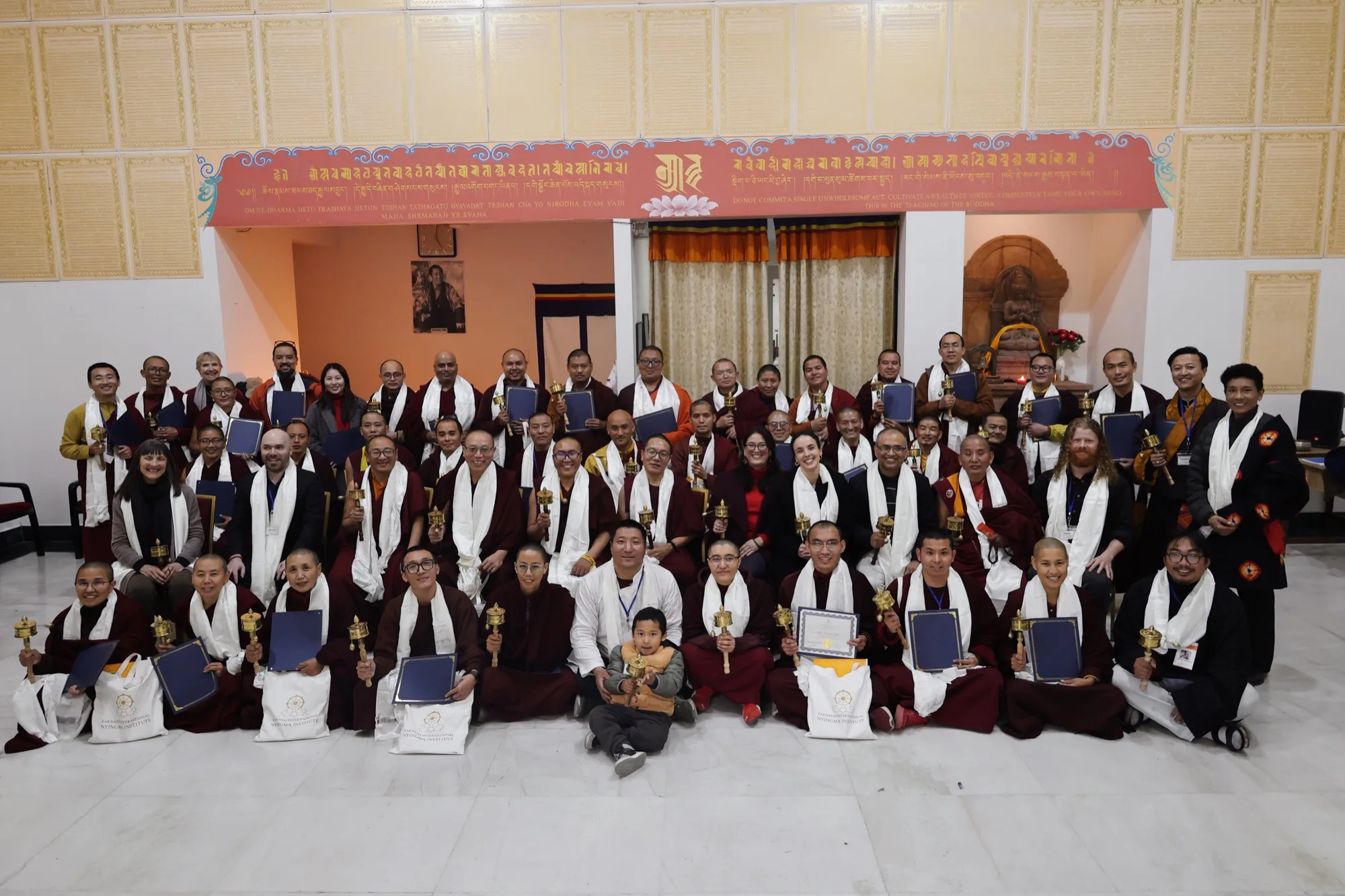
Held in the sacred setting of Sarnath, the five-day training brought together 38 traditionally trained monastics (29 monks and 9 nuns) representing the four Tibetan Buddhist schools and 30 monasteries and nunneries across India, Nepal, and Bhutan, united by a shared concern and aspiration. Among them, we were pleased to welcome back 15 returning participants from the 2025 training, encouraging us to further nurture this growing community and its opportunities for continued learning.
In furtherance of SINI's core mission to support monastic education, this program was made possible through the generous support of the Khyentse Foundation, whose ongoing dedication to the BuddhaDharma continues to inspire and enable initiatives like this.
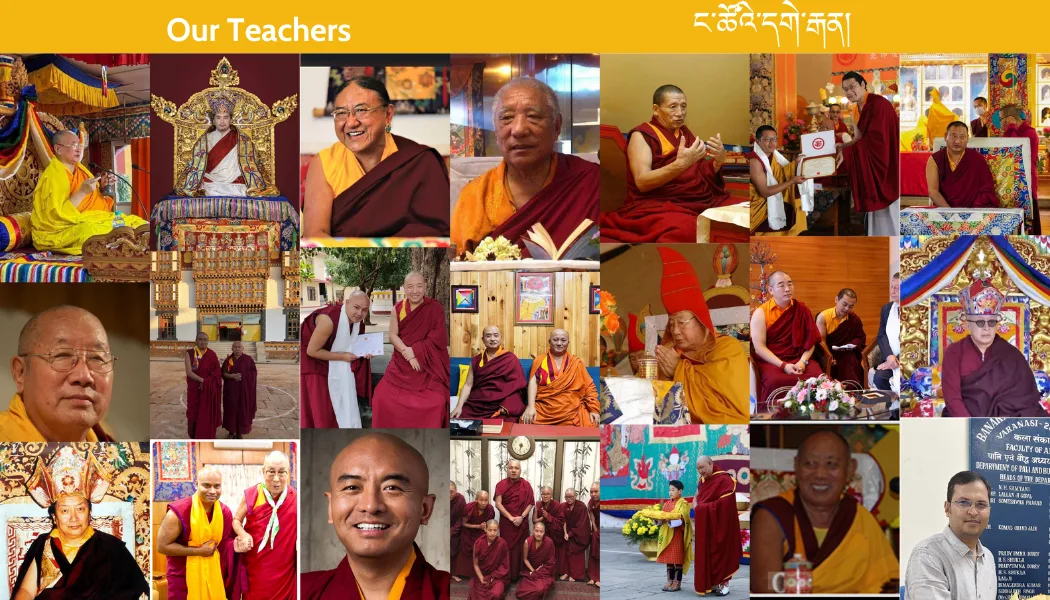
Learn more about our participants
and nunneries
At the heart of the program lies a critical question for our time:
How can the timeless "tea" of the Dharma be poured into the many different "cups" found in modern society, culture, language, and individual mindsets, without diluting its essence?
In a world shaped by rapid technological change, shifting identities, and increasing social fragmentation, this question feels less theoretical and more immediate each year.
Voices of Guidance
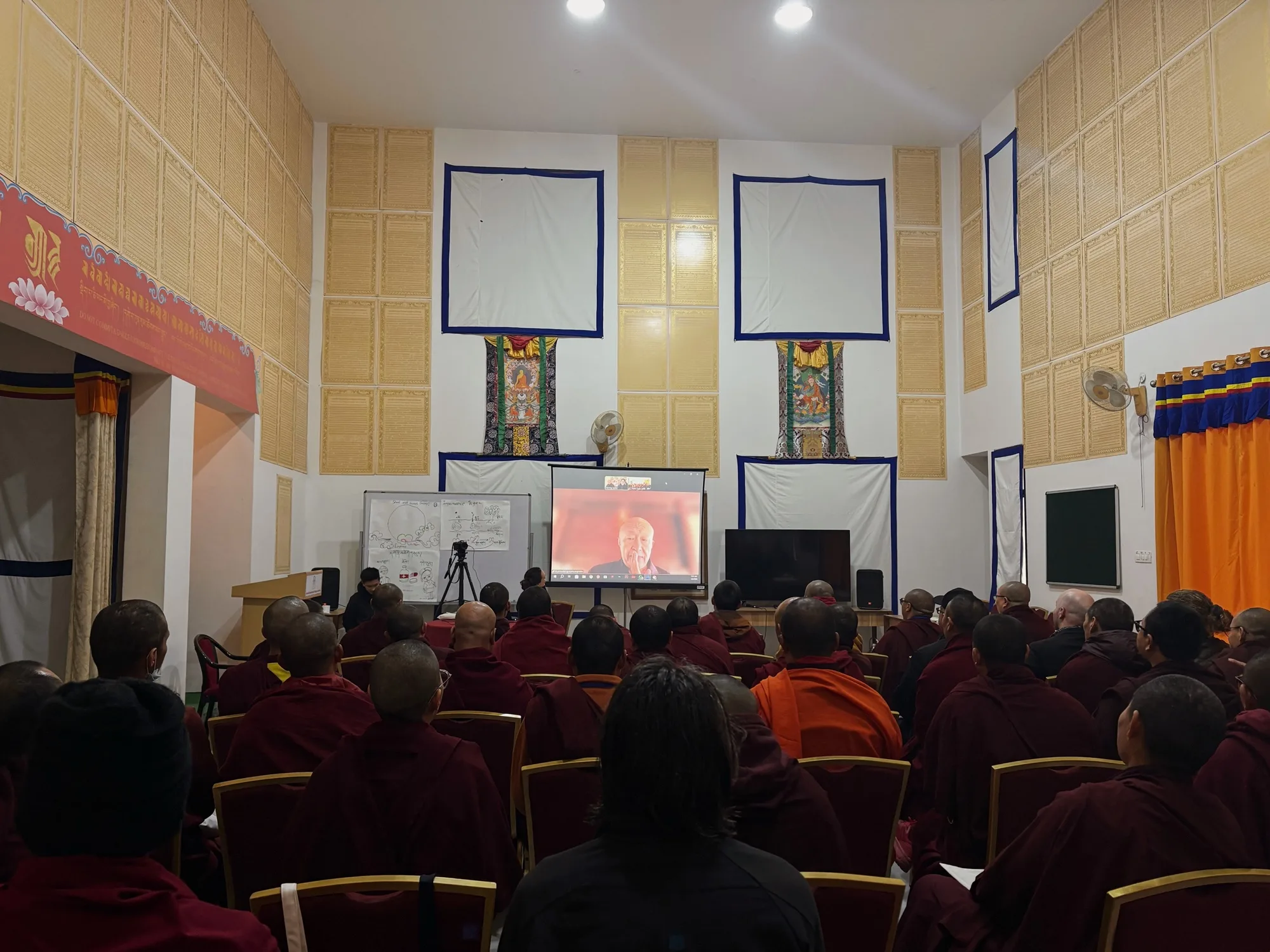
To ground this exploration, we were deeply honored to receive teachings from two of the most influential contemporary Buddhist teachers: Dzongsar Khyentse Rinpoche and Mingyur Rinpoche.
Their reflections really highlighted the need to understand the audience and context and find skillful means to impart the Dharma.
Initially scheduled for an hour-long ZOOM session, DJK ended up speaking for over two hours! Rinpoche encouraged our monastic participants to become fearless agents of change, reminding them that as AI increasingly takes over their traditional role as information dispensers, the most important thing they can do now is to create genuine human connection. Now more than ever, monastic teachers will need to expand their application of creative compassion, altruistic motivation, and skilful discernment.
Rinpoche spoke about how teachers must understand their students' backgrounds, struggles, and environments. They must resonate with the contemporary anxieties such as fragmentation, identity confusion, cultural hybridity, and the subtle pressures of constant comparison and "FOMO" (fear of missing out). To reach a wider audience, he encouraged monastics to skillfully use modern tools like visual design and social platforms.
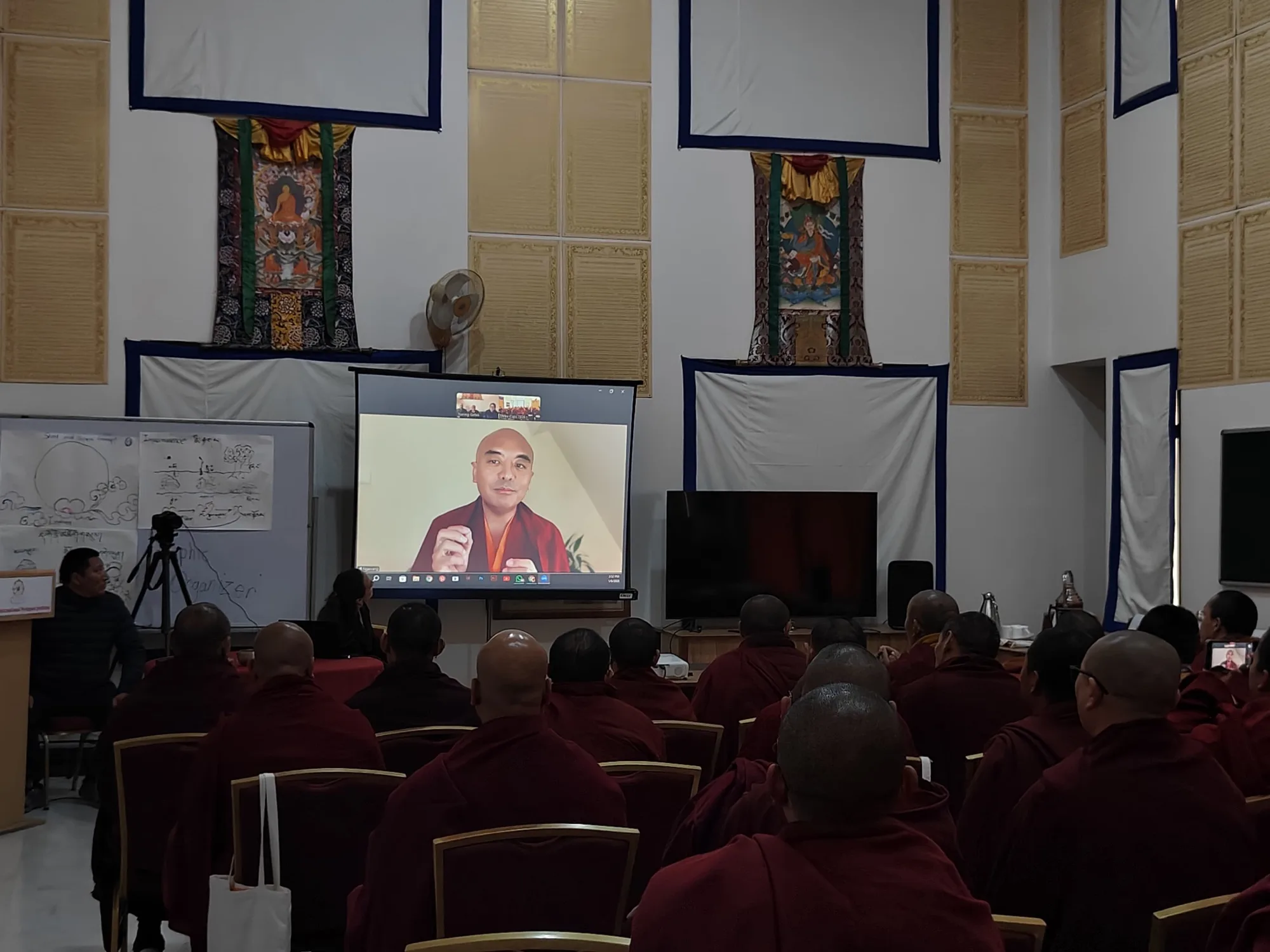
Yongey Mingyur Rinpoche offered a complementary perspective. With clarity, warmth, and accessibility, Rinpoche demonstrated why he is one of the world's leading teachers. Speaking for thirty minutes before opening a lively question and answer session, he reminded participants that expressing profound concepts in simple language is far more challenging than making them sound complex. Storytelling, lived examples, and everyday metaphors can bridge ancient wisdom and contemporary life more effectively than dense philosophical terminology.
Rinpoche also emphasized the power of presence. A teacher, he said, must embody the teachings personally through practice and by following the threefold path ཐོས་བསམ་སྒོམ་གསུམ་ (hearing, contemplating, and meditating).
A Contemporary Toolkit
The guidance offered by the Dzongsar Khyentse Rinpoche and Mingyur Rinpoche were applied over five intensive days; it was translated into concrete tools and hands-on practices.
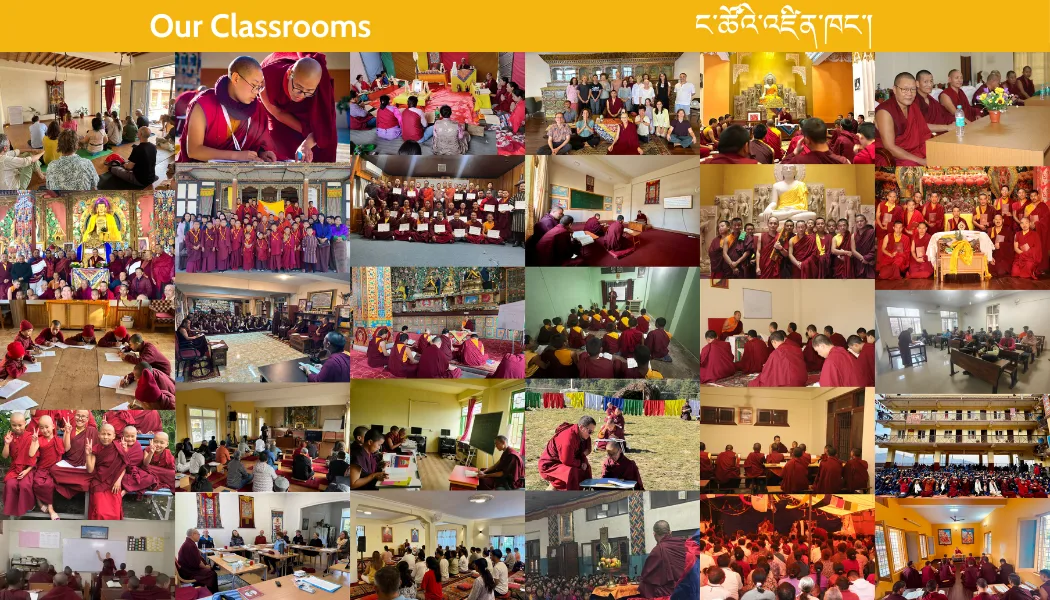
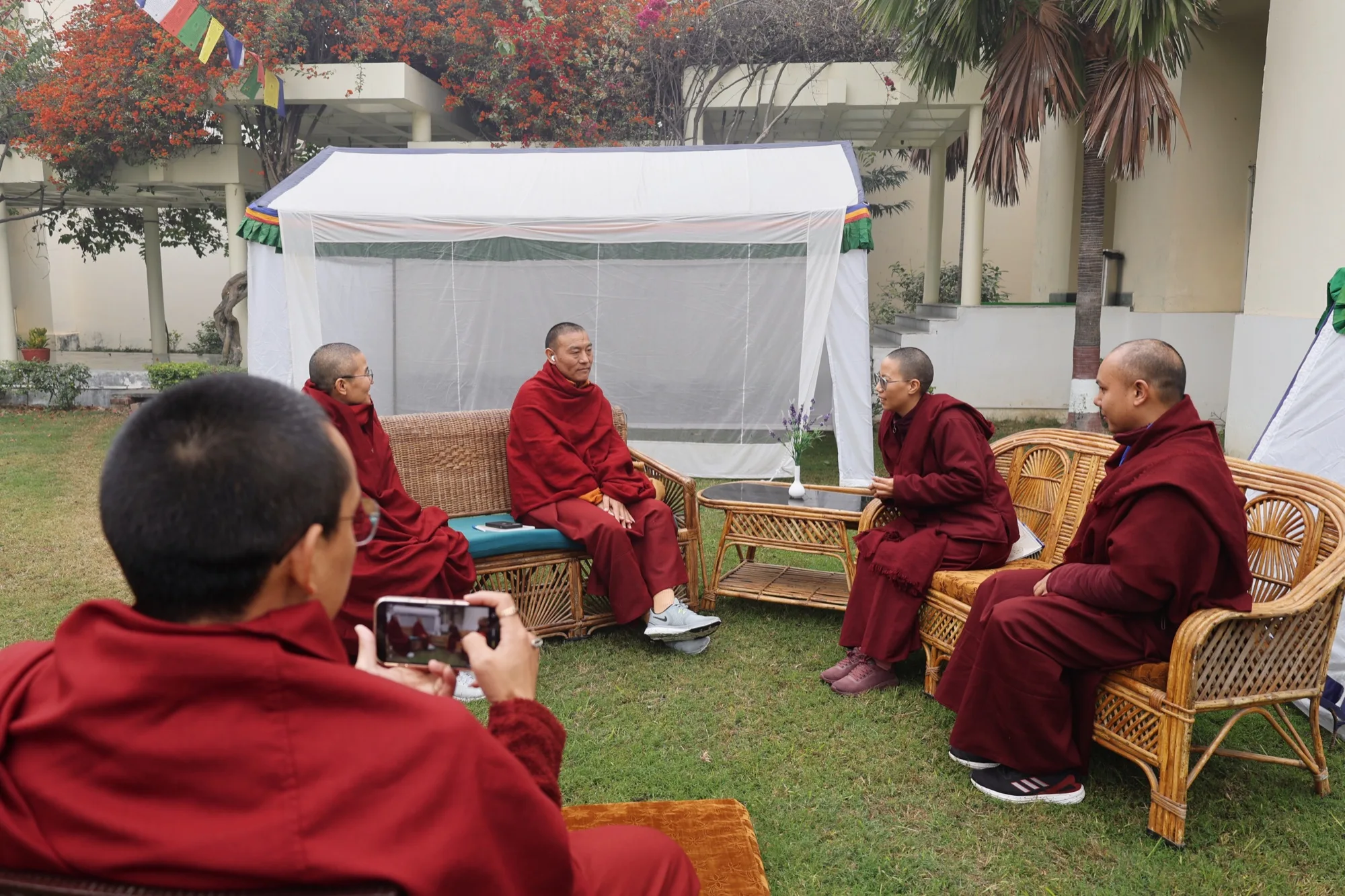
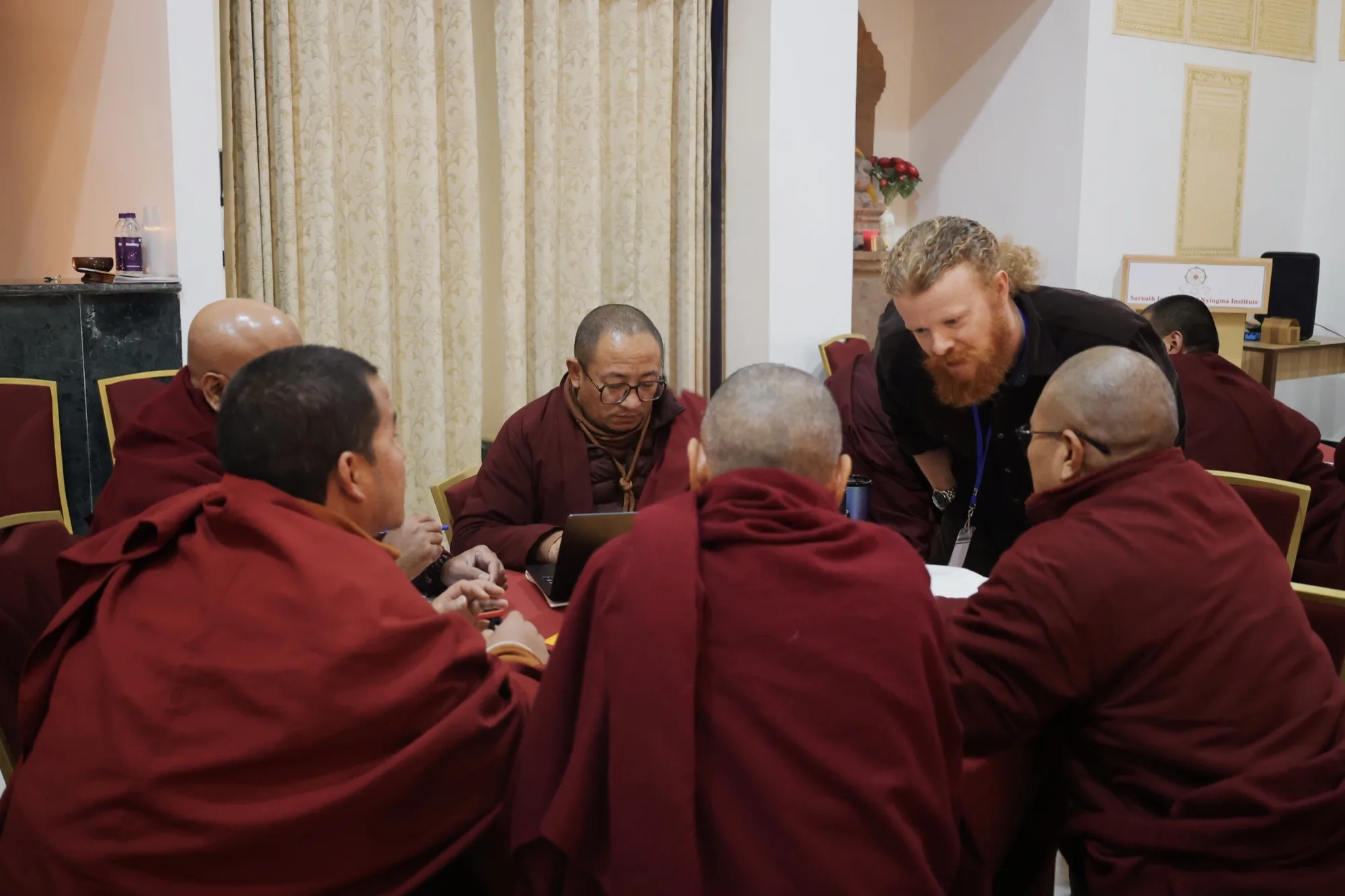
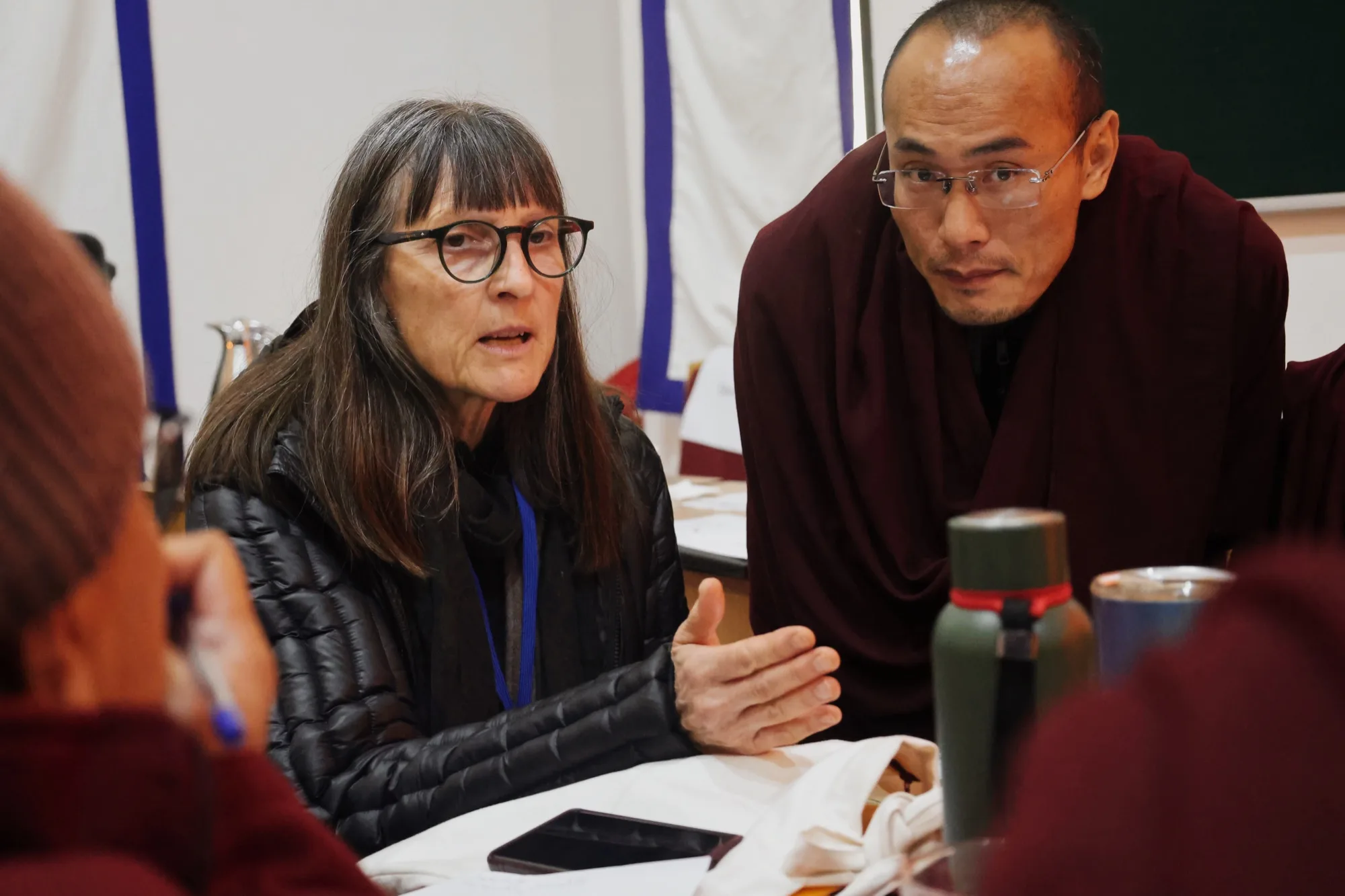
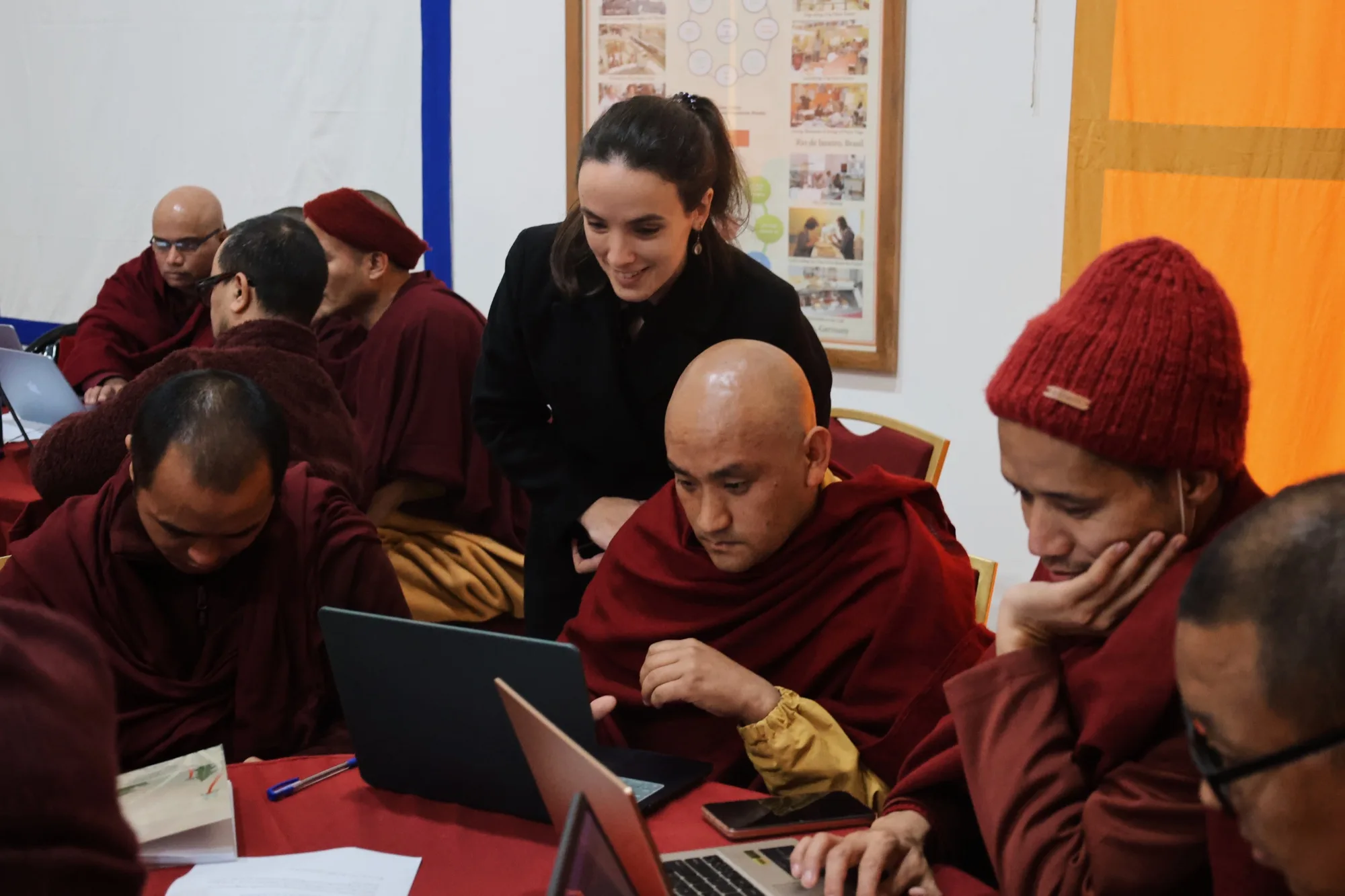
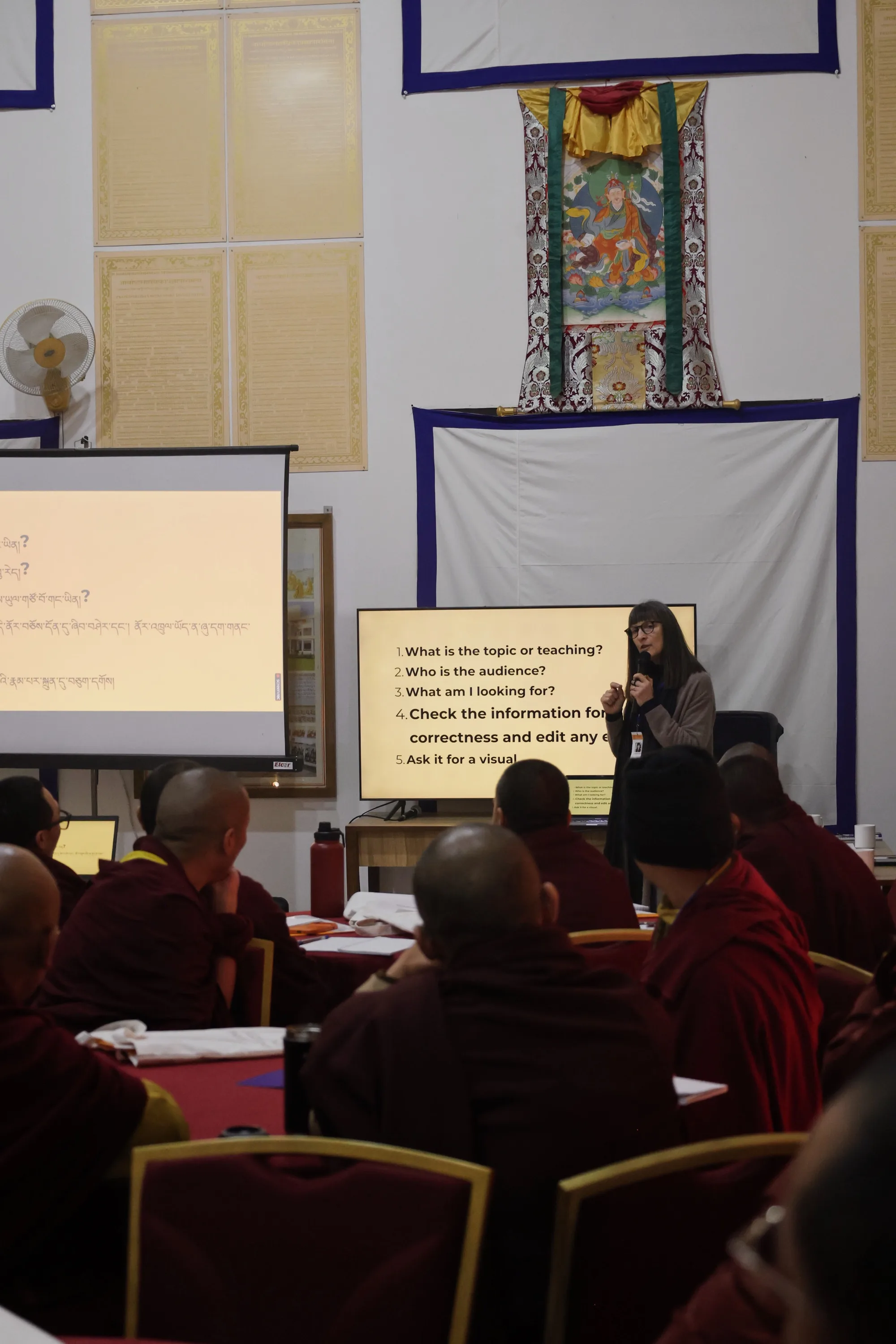
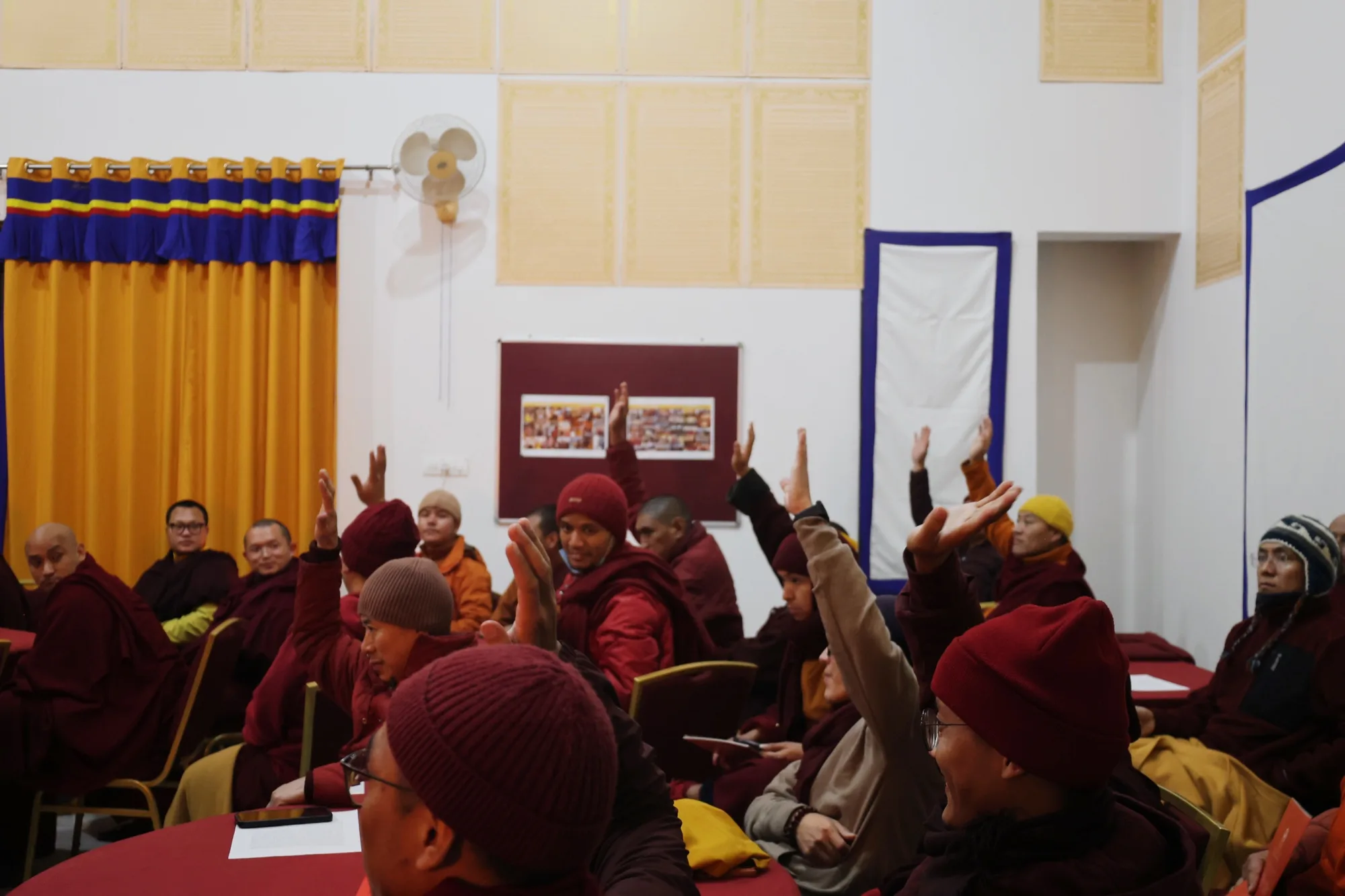
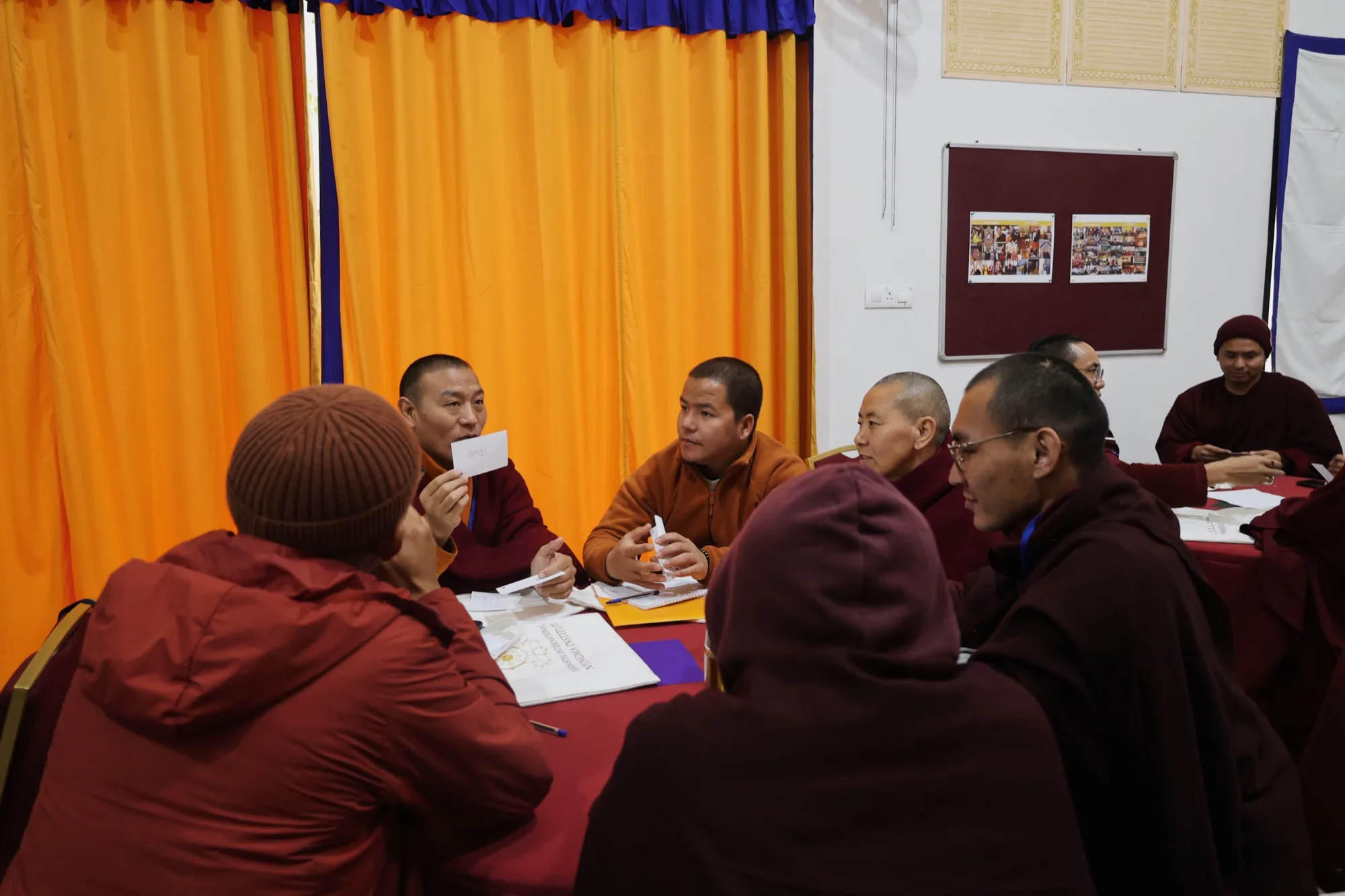
We brought together experienced trainers who worked not simply as lecturers, but as collaborators. The atmosphere was practical and exploratory, with space for dialogue, group work, questions, and direct application. Rather than remaining theoretical, each session encouraged participants to actively engage, experiment, and consider how these approaches could translate into their own classrooms.
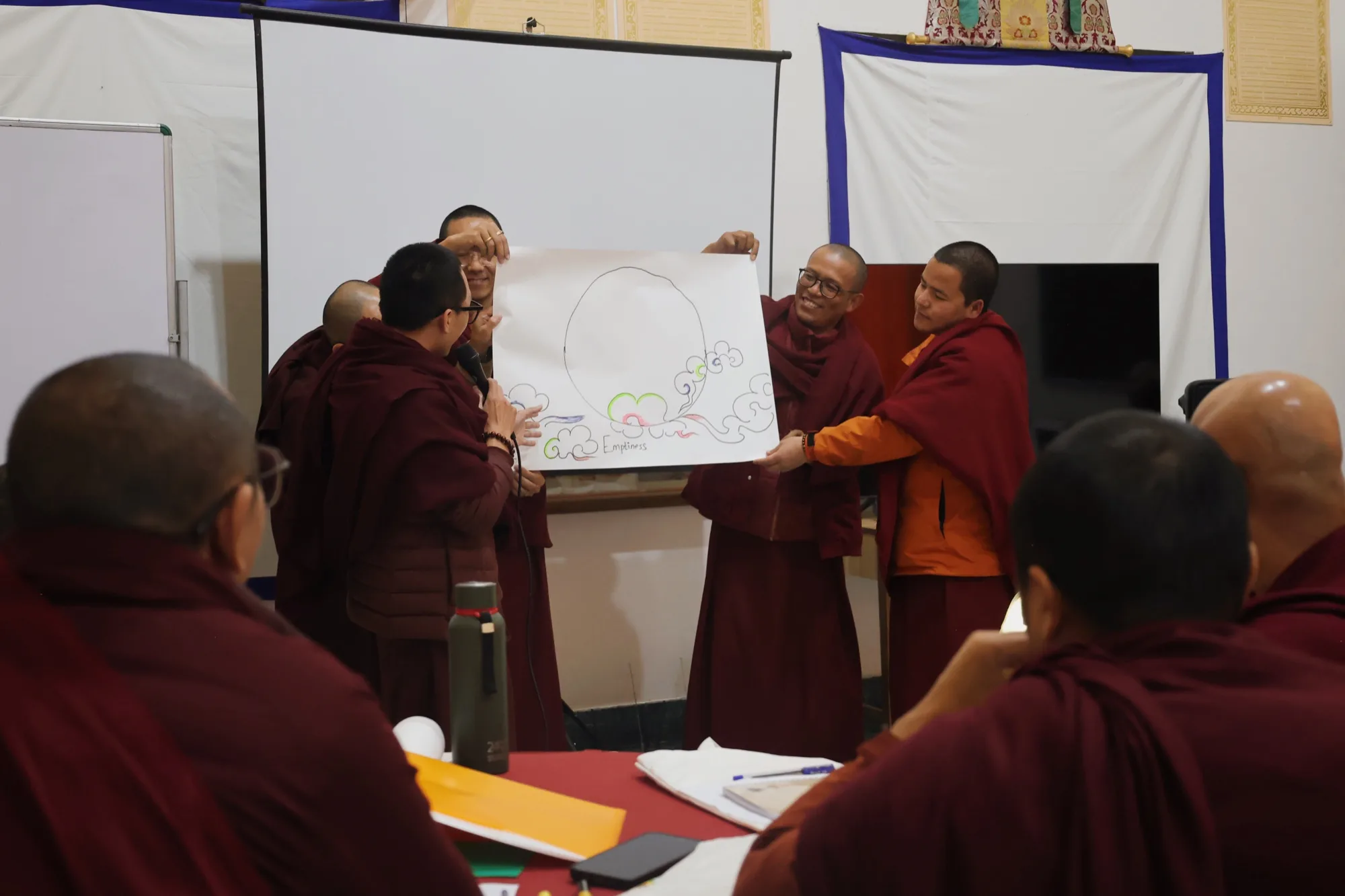
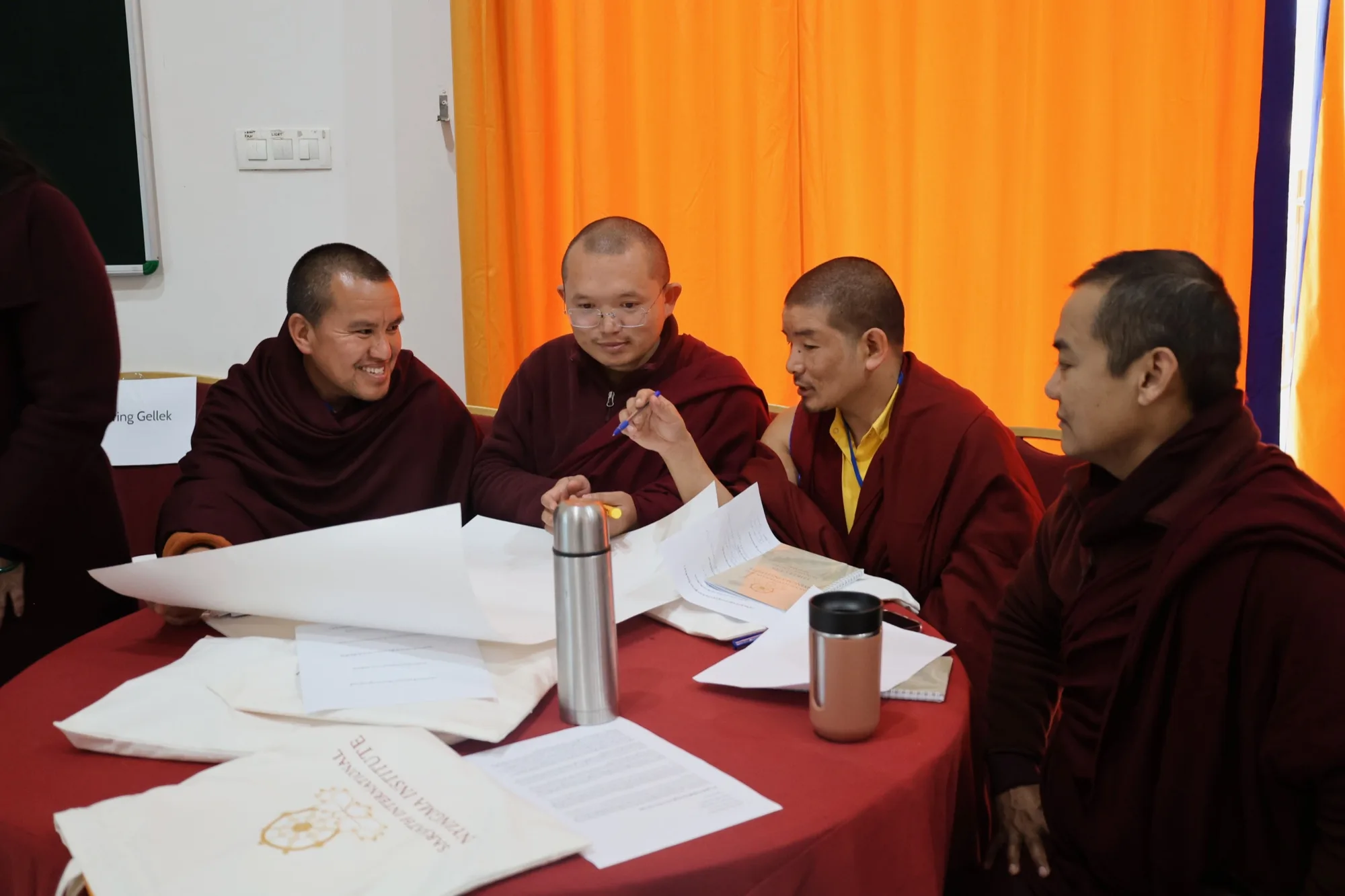
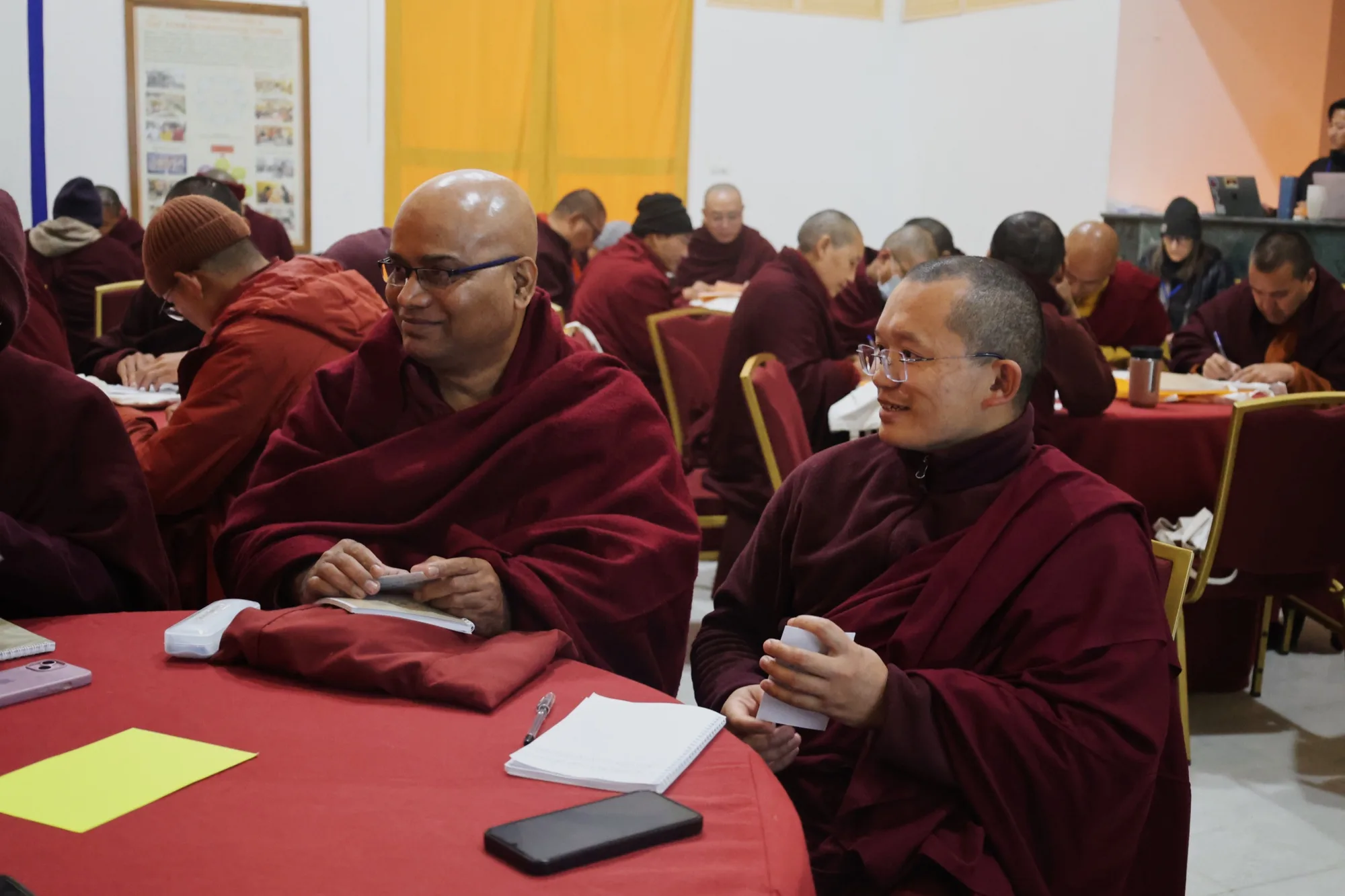
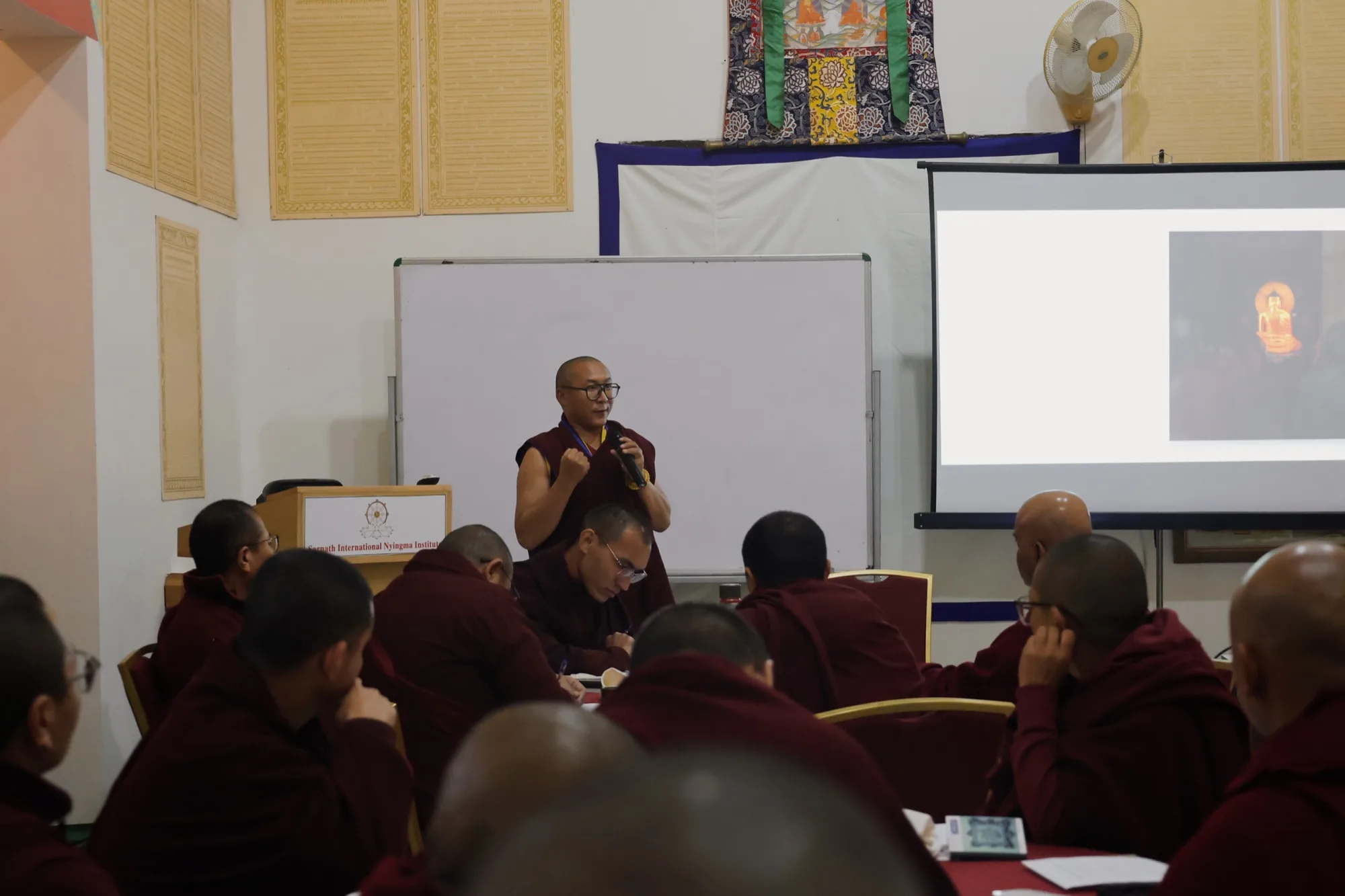
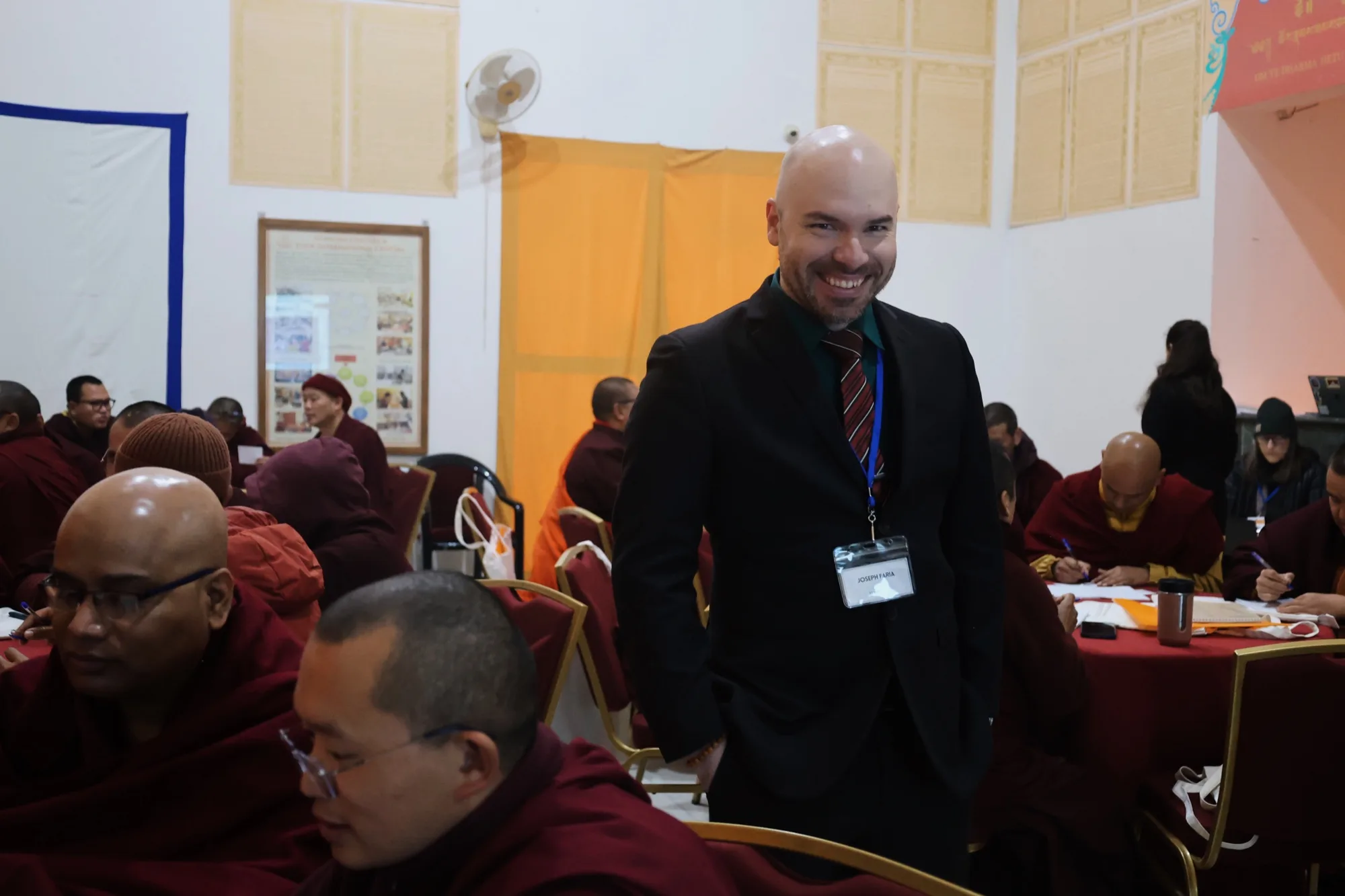
Participants engaged with student-centered learning approaches with Khenpo Pema Woeser of Tergar Monastery, and explored how to cultivate a more engaging classroom with Geshe Lharampa Jampa Khasang of Sera Jey Monastery. Joseph Faria introduced psychology-informed strategies such as "I Do, We Do, You Do," "Think–Pair–Share," and retrieval practices; tools that many participants later described as very beneficial because they are immediately applicable and transformative.
Steve James (Guru Viking) explored podcasting as a form of global Dharma outreach, while sessions led by Catherine Brown and Senge Catherine focused on AI tools and visual communication, examining how modern design and technology can support teaching and learning. Arun Poudel of Buddha Prakash Foundation offered practical training in leading secular meditation sessions for lay audiences.
Learn more about the presenters
Throughout the training, we explored how best to transmit the Dharma while making learning more engaging and relevant for both traditional monastics and global audiences.
Learning From Experience
Beyond the formal sessions, three panel discussions emerged as particularly meaningful and significant spaces within the program.
In the first panel, returning participants shared how they had implemented last year's methods in their teachings. They spoke candidly about experiments, adaptations, successes, and challenges. This was a moment to recognize this impact of last year's training and the real application.
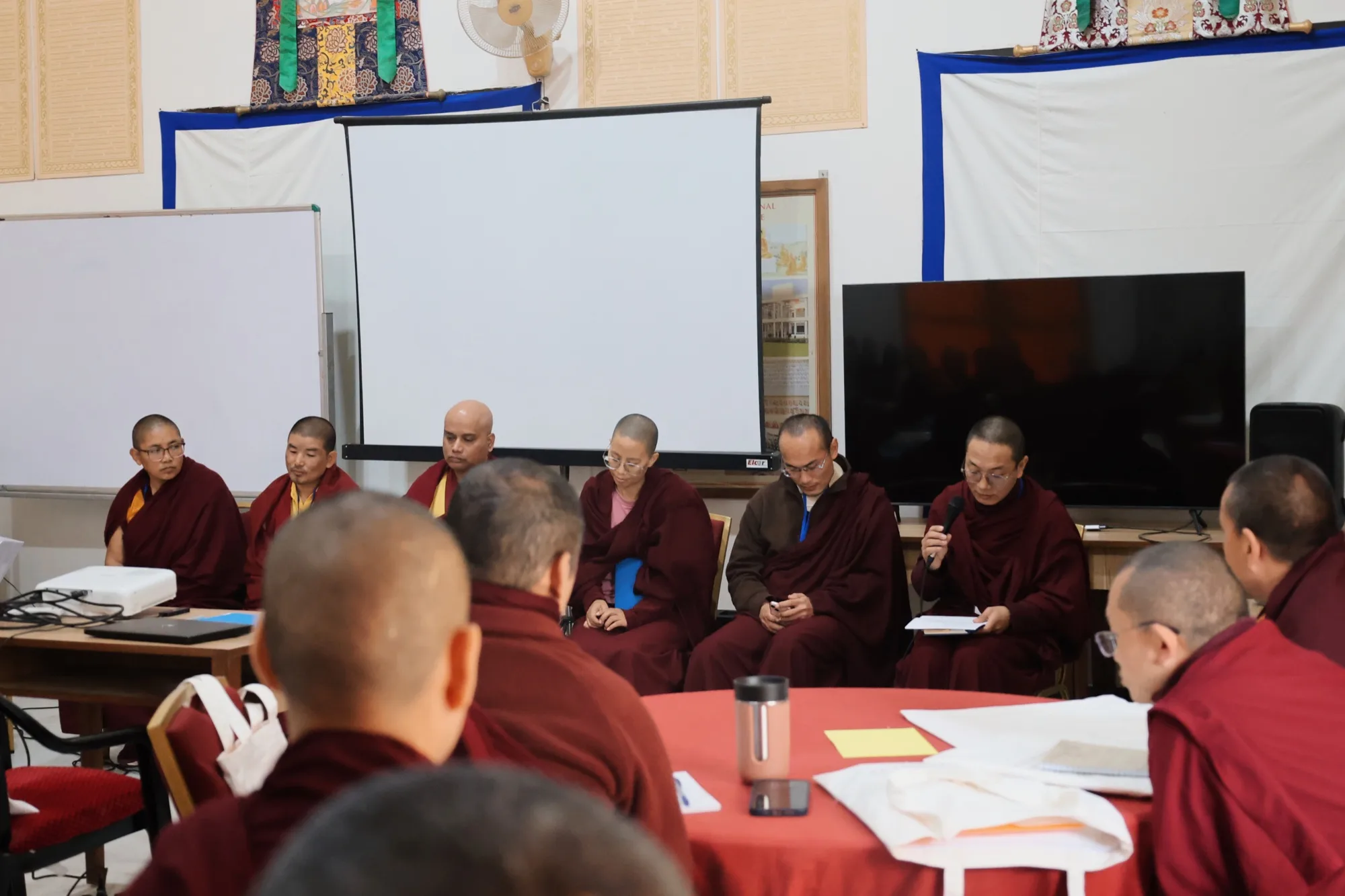
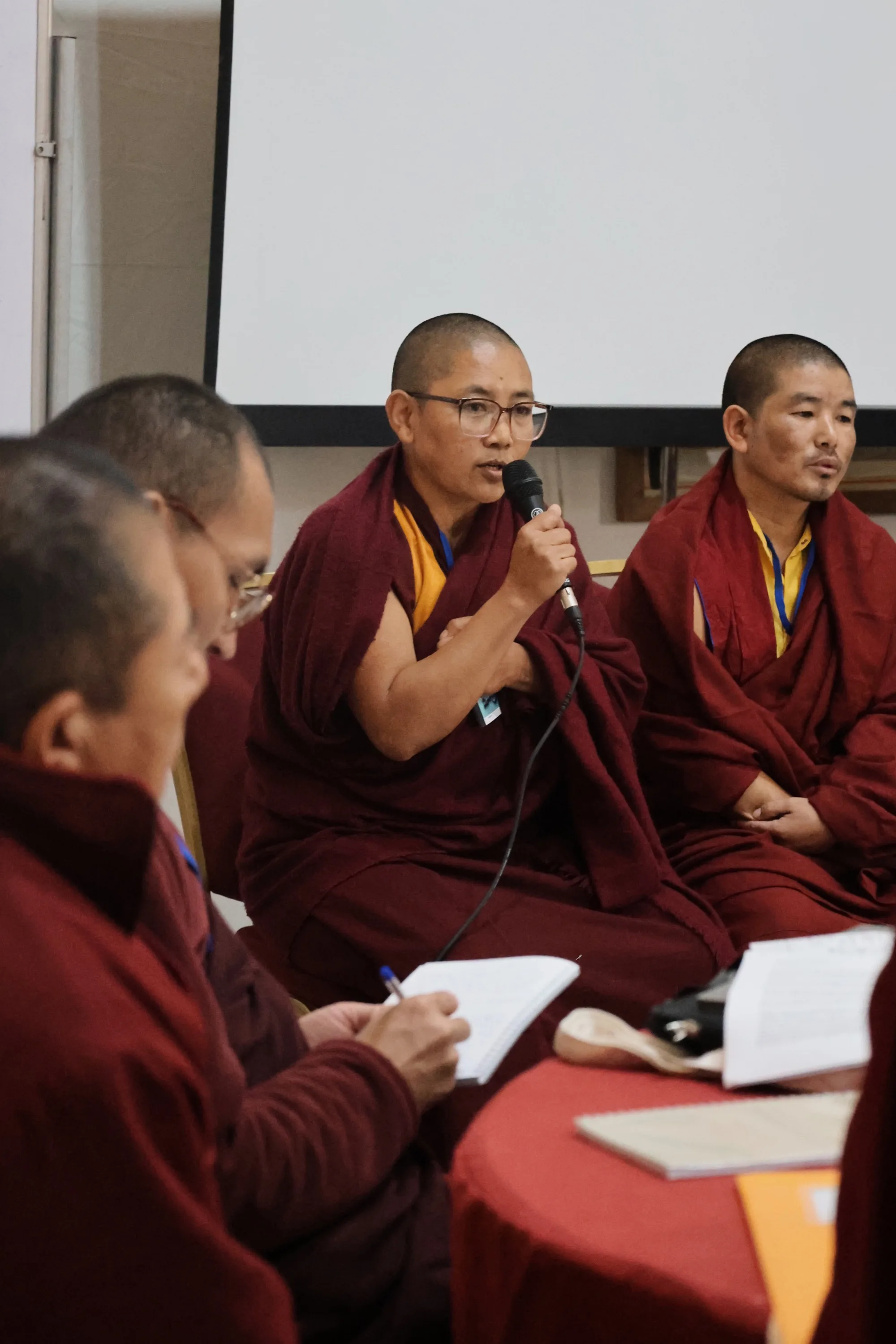
The second panel addressed the complexities of teaching secular and international audiences. Participants reflected on the challenges of translating Buddhist terminology. They spoke about the importance of understanding modern forms of suffering like working from 9 to 5, family life responsibilities, loneliness, digital overload, and the need to offer accessible entry points grounded in ethics and lived experience rather than heavy religious framing.
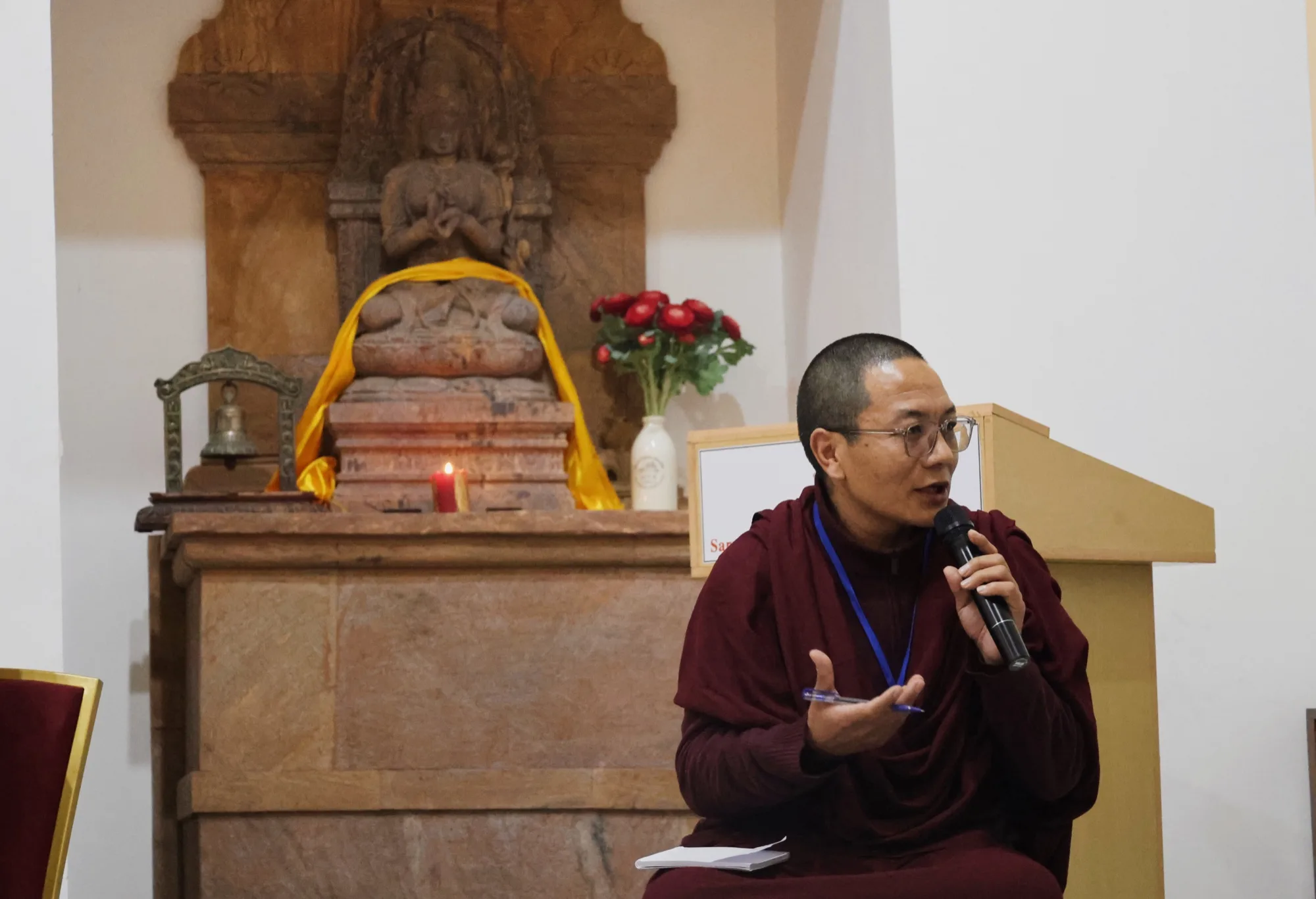
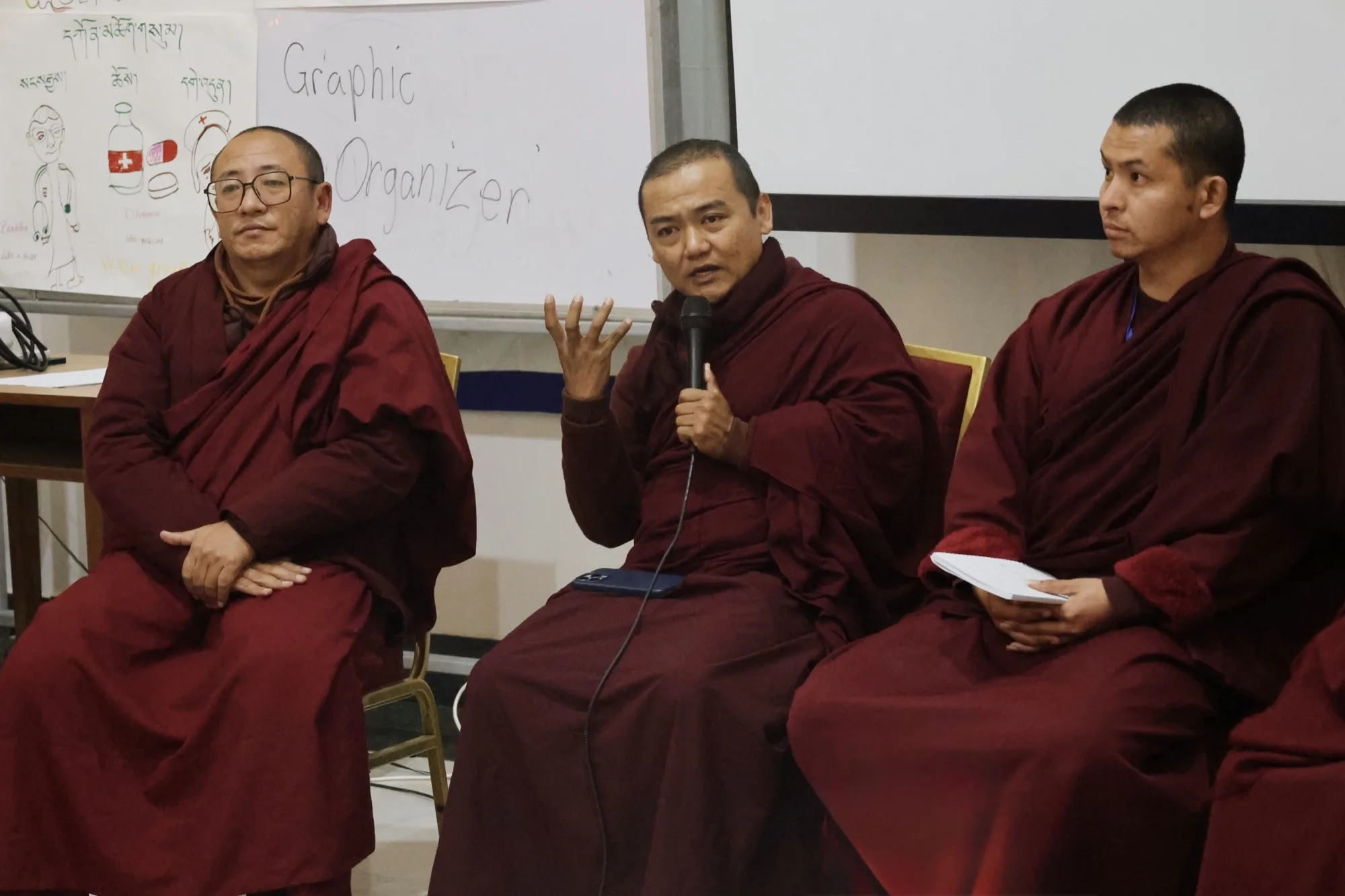
The third discussion focused on nurturing students within monastic institutions, sustaining motivation, recognizing individual needs, and strengthening teacher–student relationships.
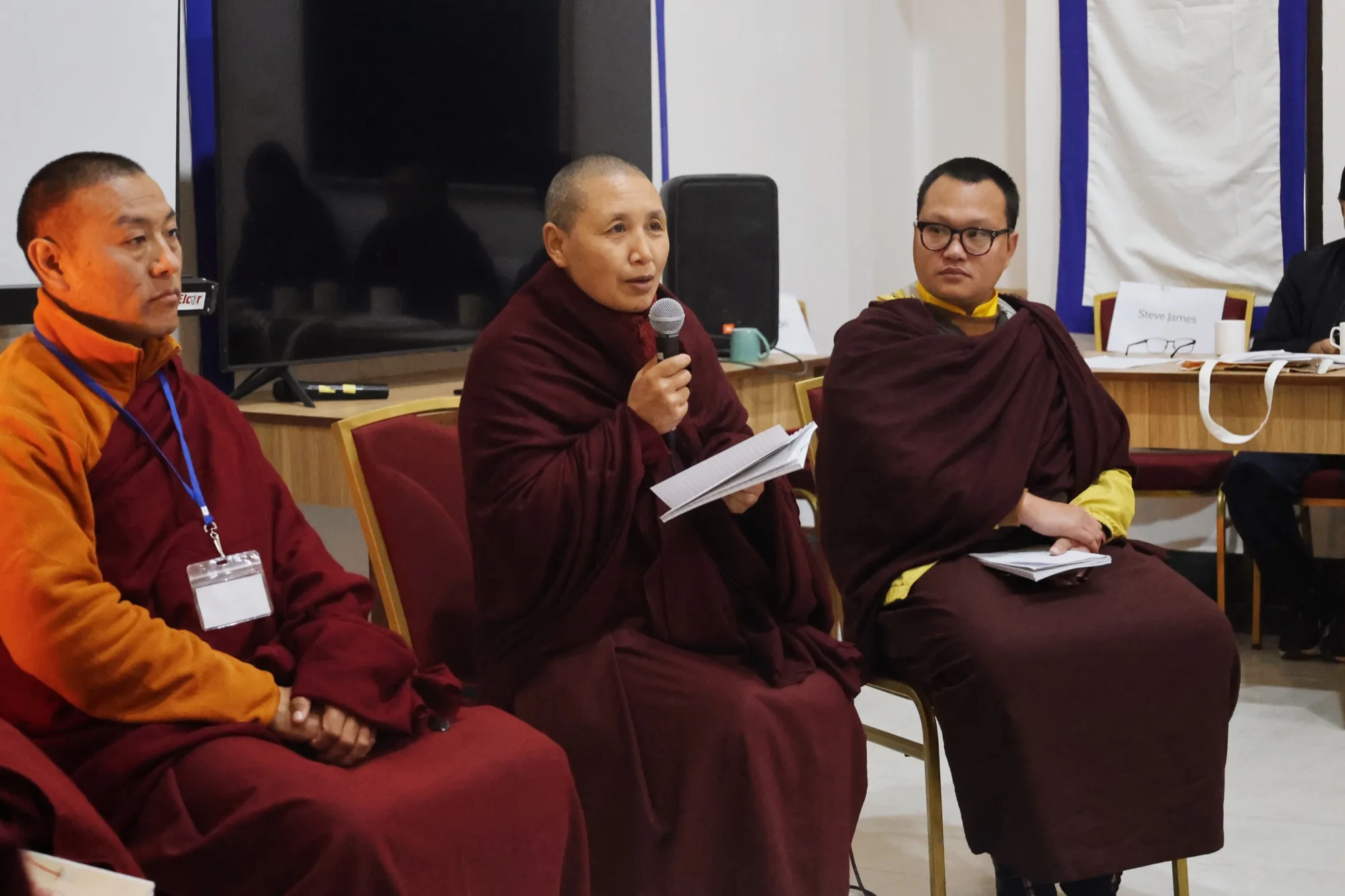
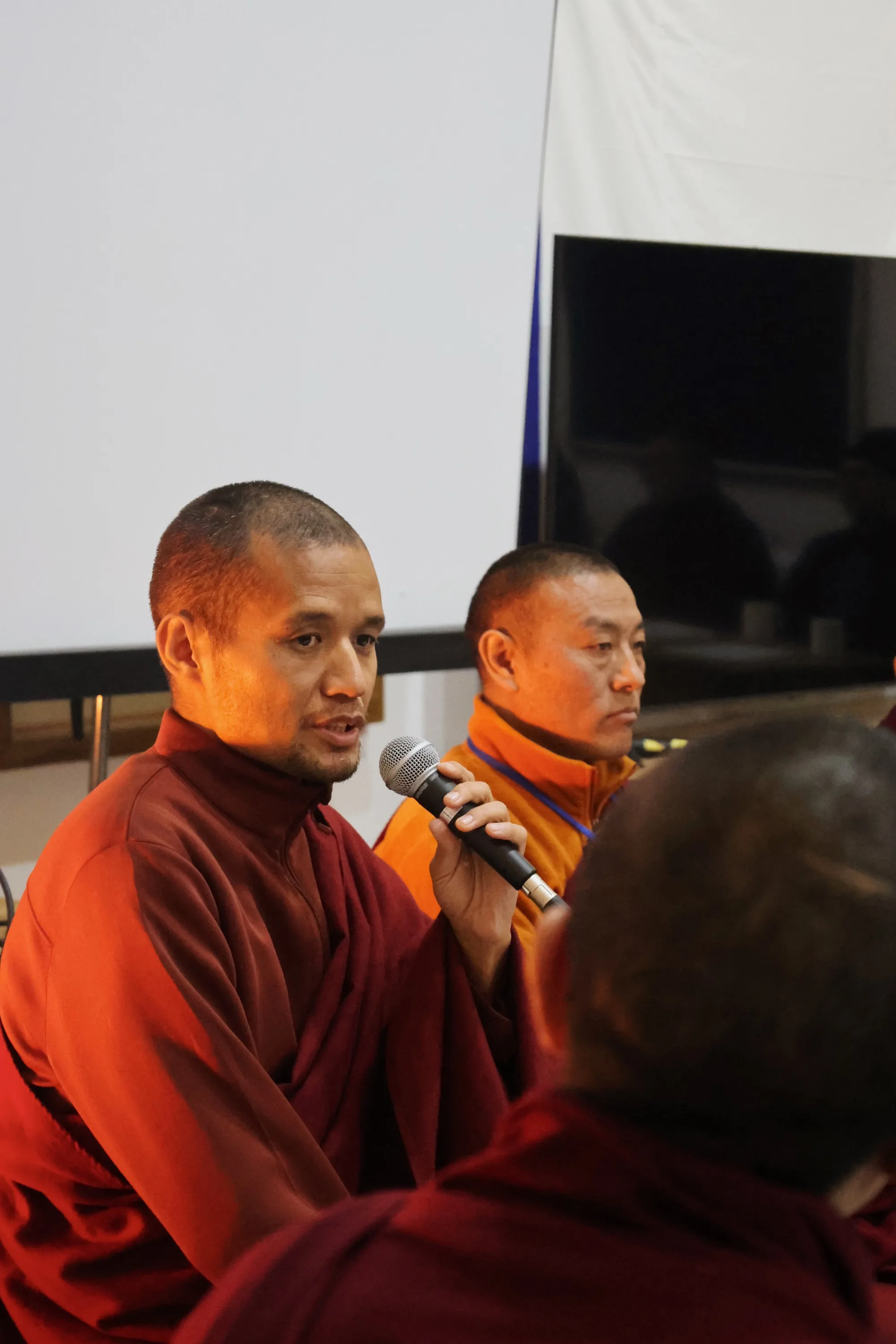
The panel discussions revealed something essential and missing in today's discussions on monastic education. The honest reflections, skillfully moderated by senior khenpos, offered an open and safe space for reflective educators to examine their own experiences and imagine adapting new methods responsibly.
What Shifted
Committed to making this program relevant, the organizers actively sought feedback mid-program to assess what participants felt was working well and what needed improvement. The feedback was deeply encouraging.
Participants repeatedly highlighted the practical nature of the tools introduced — especially "I Do, We Do, You Do," "Think–Pair–Share," retrieval practice, growth mindset approaches, brain breaks, and the integration of storytelling and visual supports.
But beyond techniques, many emphasized the rare opportunity to gather as a community of educators across traditions.
"Through this program, I had a valuable opportunity to gain new ideas and lessons from different Khenpos and Lopons… The entire experience was very inspiring and meaningful for me."
— Lopon Nima Sange Lama
"Learning alongside all of you has been truly inspiring, and I have gained many valuable insights. Overall, it was a truly great and enriching experience."
— Ani Tsewang Choston
"Now, after attending last year's and this year's workshops, I feel hopeful that by applying these methods, my teaching will become clearer, more comfortable, and more effective."
— Khenpo Ngawang Tsondu
Participants left not only satisfied, but motivated. Many expressed a strong desire to go deeper into specific topics and requested structured follow-up support to help them implement changes sustainably.
From Program to Ecosystem
A significant number of participants expressed interest in hosting similar trainings within their own monasteries and nunneries. This aspiration highlights the importance of developing a sustainable Train-the-Trainers model. The long-term vision is not dependent on external facilitators, but the gradual empowerment of monastic educators to become teacher-trainers themselves, adapting and transmitting these methods within their own contexts.
In response, the organizing team is reflecting carefully on the next steps. One concrete initiative under consideration is the development of a comprehensive teacher manual to support implementation. More broadly, we are thinking about how to nurture the growing network responsibly, allowing it to expand without losing depth.
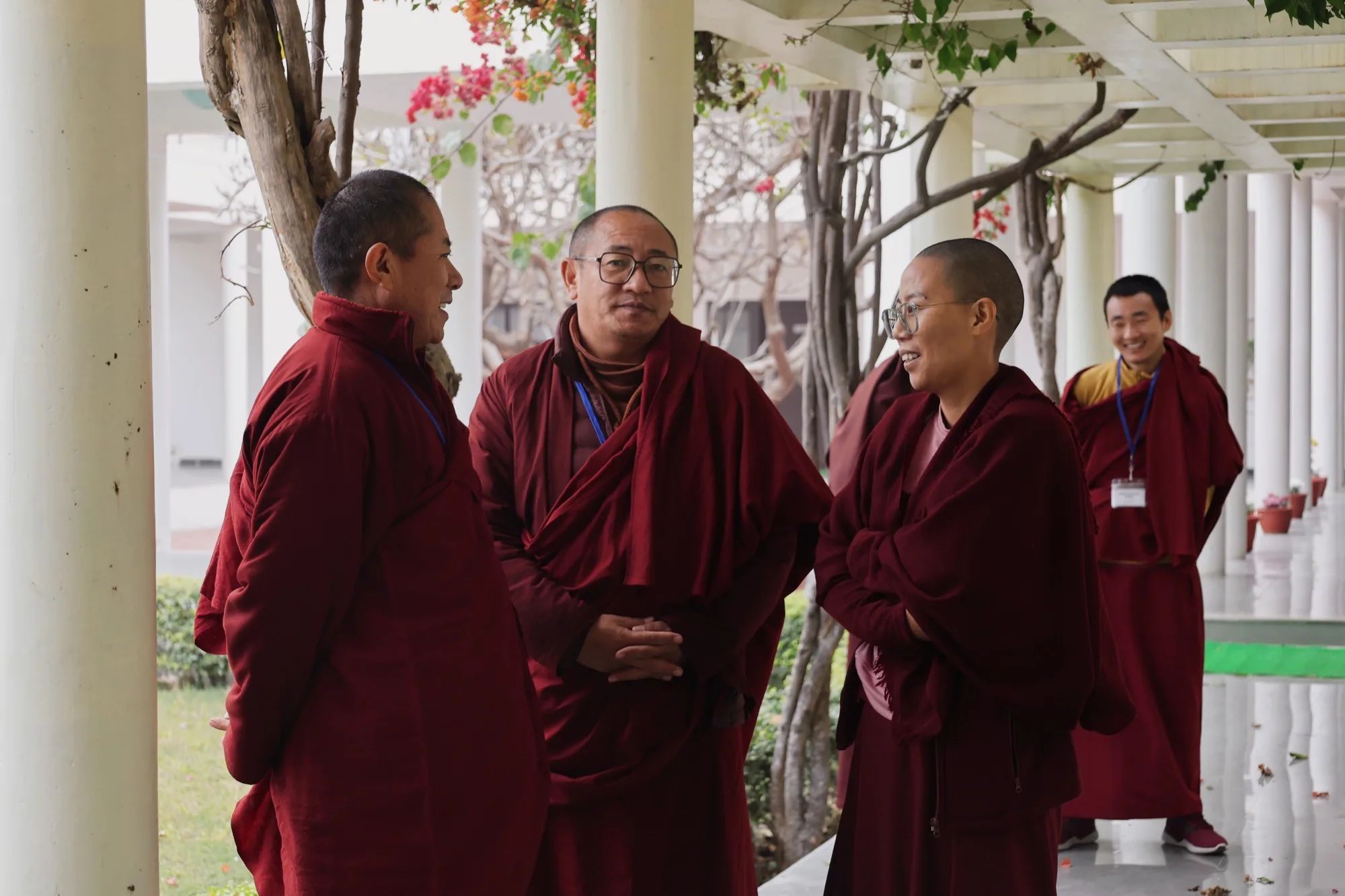
As Khenpo Kunga Dakpa, member of our monastic executive team, wisely noted: "We need to be careful not to make the tea lighter."
A Strengthening Commitment
The Three Cups Program 2026 highlighted the importance of working in partnerships to strengthen the living ecosystem of monastic educators committed to offering the Dharma with clarity, responsibility, and compassion in the modern world.
As these 38 educators returned to their monasteries and nunneries, they carried more than new teaching strategies. They carry renewed confidence, expanded perspective, and a shared commitment to thoughtful adaptation.
Finally, I would like to share the reflections of SINI Director Tsering Gellek on this "counter-age of AI": while the world is changing rapidly, the core mission of monastic teachers remains profoundly human. She recalled an answer she received from her father, Tarthang Tulku Rinpoche, regarding the essential qualities of a teacher. When asked what mattered most, Rinpoche answered that a teacher should ideally be completely selfless; if not selfless, then totally compassionate; and if neither of those, they must, at the very least, be a good communicator.
Tsering Gellek highlighted that the primary challenge ahead isn't just what is taught, but how it is shared. She encouraged the monastics to navigate a modern paradox: staying deeply relevant to their audiences while remaining spiritually free and uncorrupted by modern distractions. As she beautifully summarized, the world needs the warm presence of the teacher.
This program was made in collaboration with